
Web design
A website people can find, understand, and act on.
Websites for local businesses, organizations, and professional service firms. Every site is built to load fast, work well on a phone, say clearly what you do, and support local search visibility from day one.
At a glance
- Platforms
- Bespoke, Wix, or Squarespace, whichever fits how you work
- Timeline
- Three to six weeks typical, once content and approvals keep moving
- Starting at
- $500 for a landing page, $2,500 for a site
- Included
- Search structure, schema markup, and accessibility groundwork
100+
Websites built
Over 90%
Client retention
Legend
Partner status with Wix
What decides it
Clear, trusted, and easy to contact.
Those three things decide whether a visitor becomes a phone call. Someone lands on your site with a question already in mind. They want to know what you do, whether you are the real thing, and how to reach you. Everything else on the page is in service of those three answers.
Being online and being findable are two different things. A site that is not structured for search can sit there for years without appearing in the results that matter. The structure goes in at the start, because it is far cheaper than retrofitting it once the site is already built.
What gets built
Websites built around search, clarity, and trust.
Six things that go into every build, whichever platform the site ends up on.
Clear service pages
Pages that explain what you do and who you serve, written the way your customers actually search.
Fast mobile performance
Most local searches happen on a phone, and search engines weigh mobile usability heavily.
SEO structure
Page titles, metadata, headings, internal linking, and clean site organization, built correctly from the start.
Local visibility
Google Business Profile alignment and location relevance, so nearby customers find you first.
Trust signals
Strong imagery, credentials, reviews, and contact details that give visitors confidence to take the next step.
Accessibility
ADA-conscious structure so your website works for more visitors, including those using assistive technology.
SEO and AI visibility are included in every site, not sold as an add-on. Whichever platform a site lives on, the structure, markup, and content work are part of the build.
Platforms
The platform follows the business.
The right answer depends on who maintains the site, how often it changes, and what it has to do. I work in all three, so the recommendation can be an honest one.
Bespoke, custom built
Built from scratch, with no page builder and no software layer you did not ask for. Shaped around what the business actually does, and yours to own outright. The right call when performance, design control, and a lean technical stack matter most.
Wix
Boxer Media holds Legend Partner status, the top tier of their four-level partner program, which means priority platform and technical support behind your site. The right call for a business that wants to make its own day-to-day edits.
Squarespace
Built and maintained here too, for businesses already on it or drawn to how it handles editing and commerce. If what you have works and the real problem is content or visibility, I will say so before quoting a rebuild.
Redesigns are a large part of the work. The process runs the same either way: review what is there, work out what is earning its keep, and build something that performs better.
How it runs
Three steps, and you approve every one.
-
01
Strategy conversation
We work out what the business does, who it serves, and what the current site is holding back.
-
02
Build and review
I handle the build. You review and approve as it comes together, so nothing is a surprise at the end.
-
03
Launch and grow
The site goes live. Most clients continue with content and visibility work from there.
Who does what
You are reviewing, not project-managing.
The timeline is agreed at the start, and the only thing that reliably slows a build down is content coming back late.
I handle
- Design, layout, and the build itself
- Writing and structuring the page content
- SEO structure, metadata, and schema markup
- Accessibility and mobile behavior
- Domain, DNS, and the launch itself
- Showing you how to update it afterwards
You handle
- Photos and any documents you want used
- Confirming business facts are accurate
- Reviewing as it comes together
If you have no usable photography, say so early. That is a solvable problem and a slow one to discover late.
After launch
Somebody has to keep it working.
A site is a live thing. Details change, add-ons need attention, and small edits pile up. Maintenance covers that, and it is separate from the content packages, because plenty of businesses want this and nothing else.
Maintenance
from $40 a month
Billed quarterly, in January, April, July, and October.
What sets the figure
- The size of the site and what it is built on
- Add-ons running on it, such as an embedded reviews or booking widget
- How often updates are needed
- The kind of changes involved, from a phone number to a new section
The exact figure is set per project and confirmed before anything starts.
Landing pages start at $500. Websites start at $2,500. Maintenance from $40 a month. See full pricing →
Starting a build? Here is what to have ready before it begins.
Based on Long Island? Here is more on working with a web designer in Nassau or Suffolk.
Industry specifics: law firms and accounting and tax practices.
Running ads to the site? Google Ads management, with the landing page built as part of the same job.
Recent work
Every build starts with how the business actually runs.
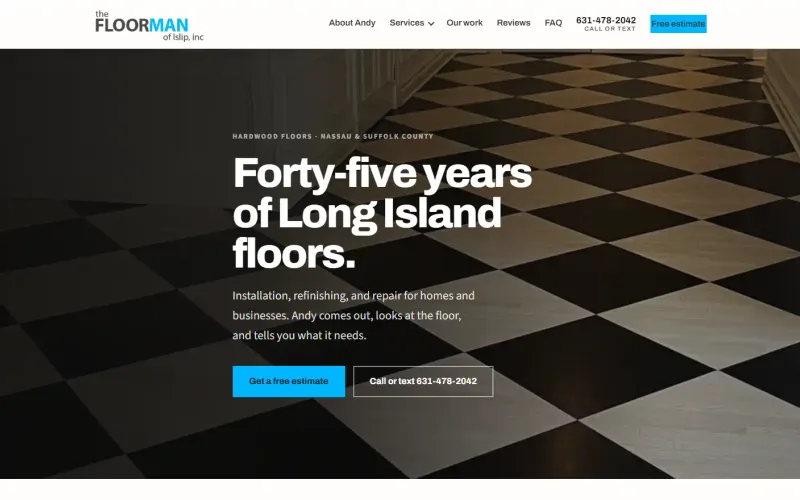
The Floorman of Islip
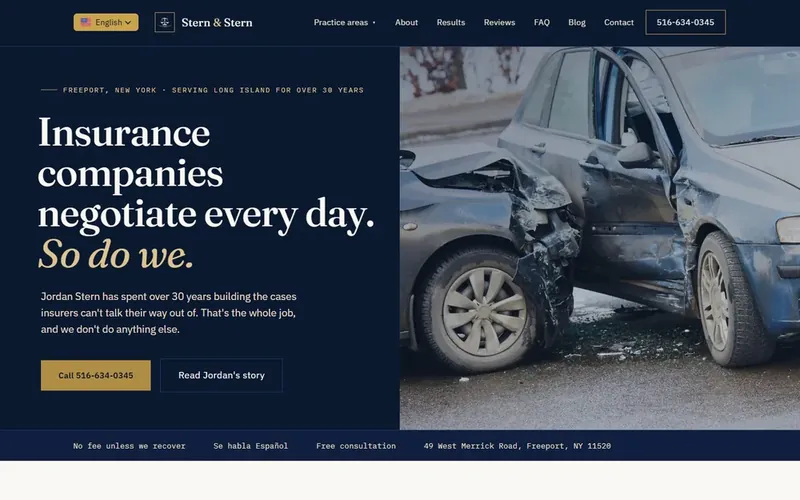
Stern & Stern Law Firm
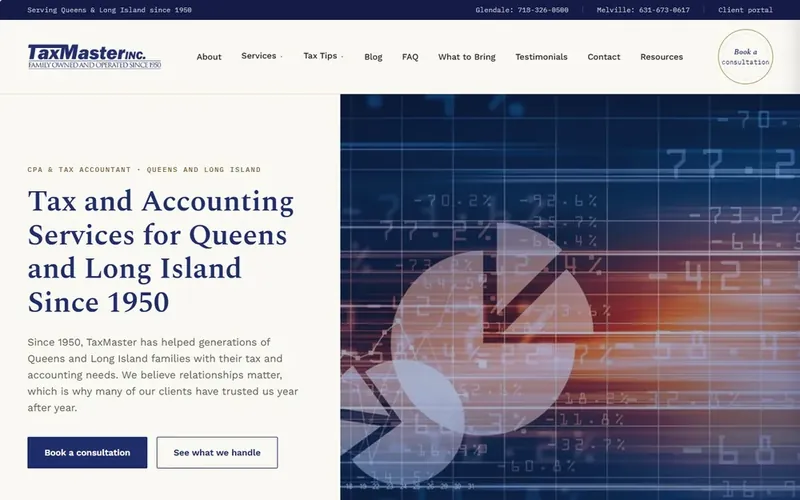
TaxMaster Inc.
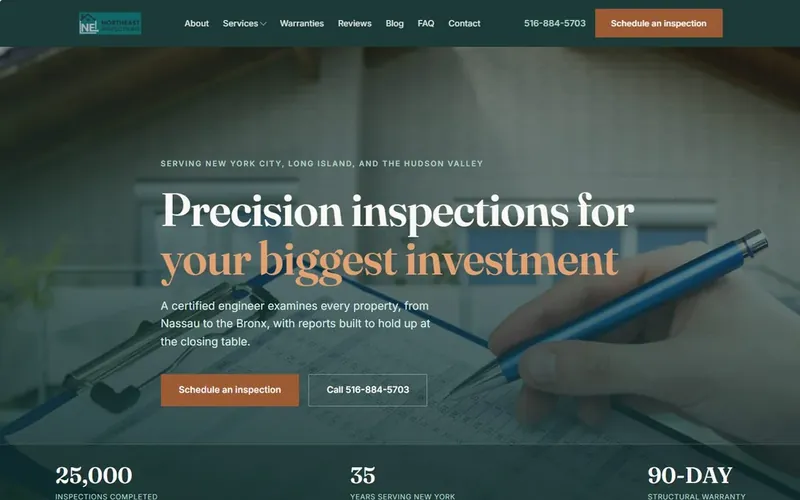
Northeast Property Inspections
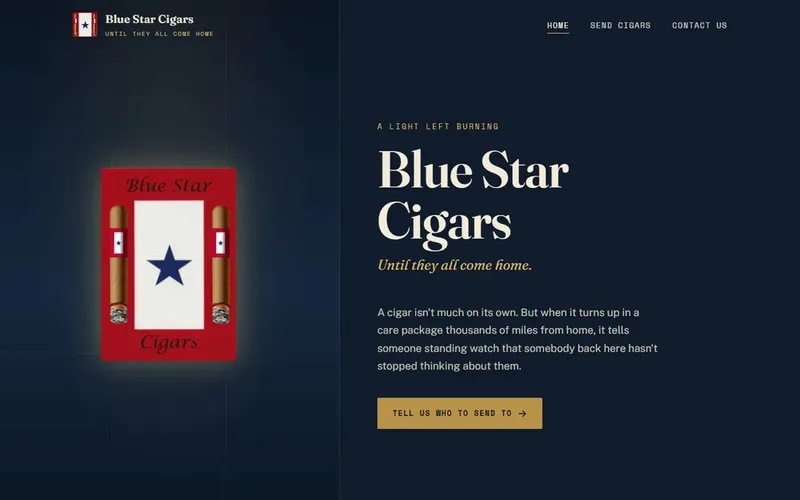
Blue Star Cigars
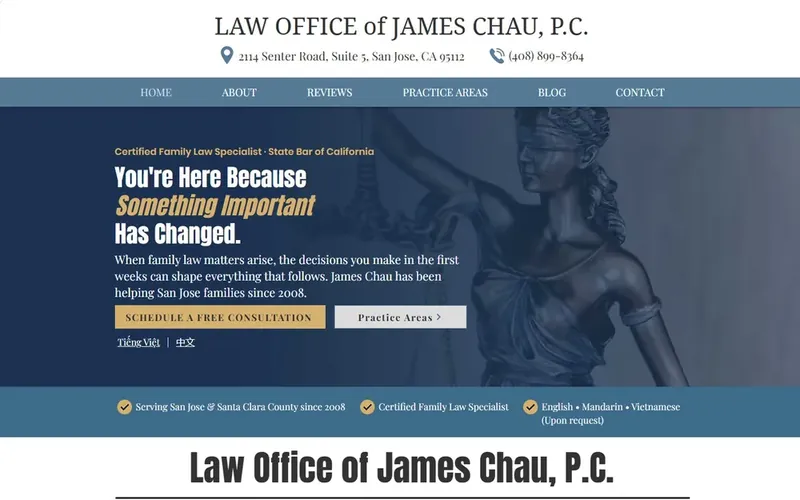
Law Office of James Chau
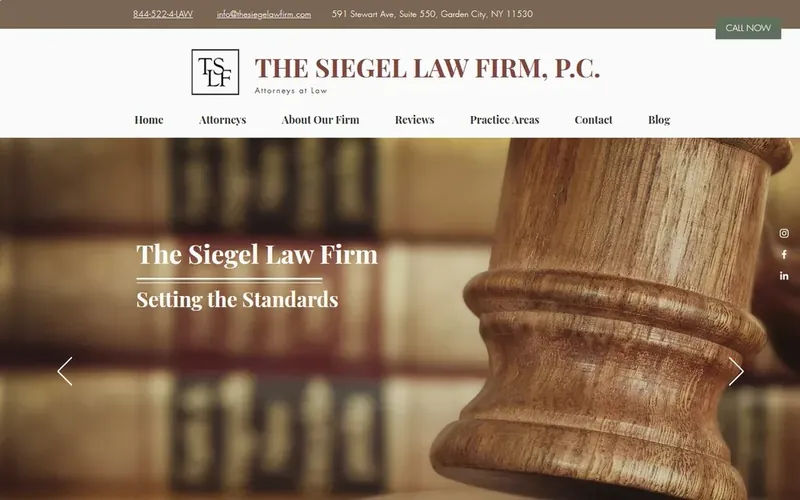
The Siegel Law Firm
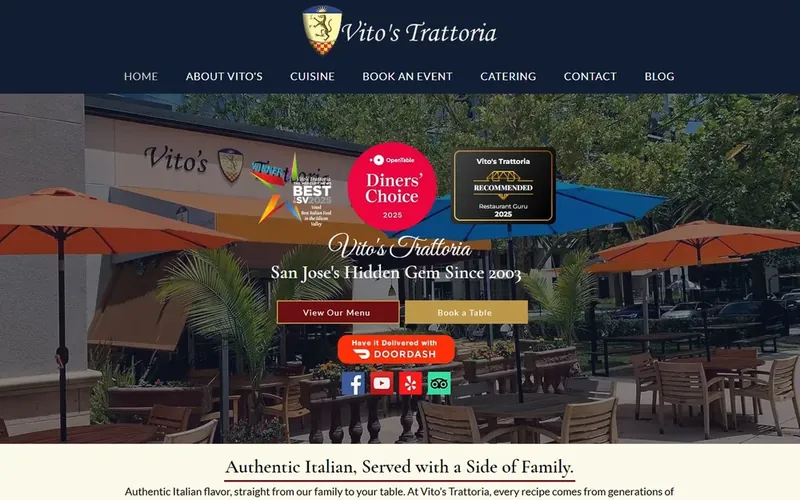
Vito's Trattoria
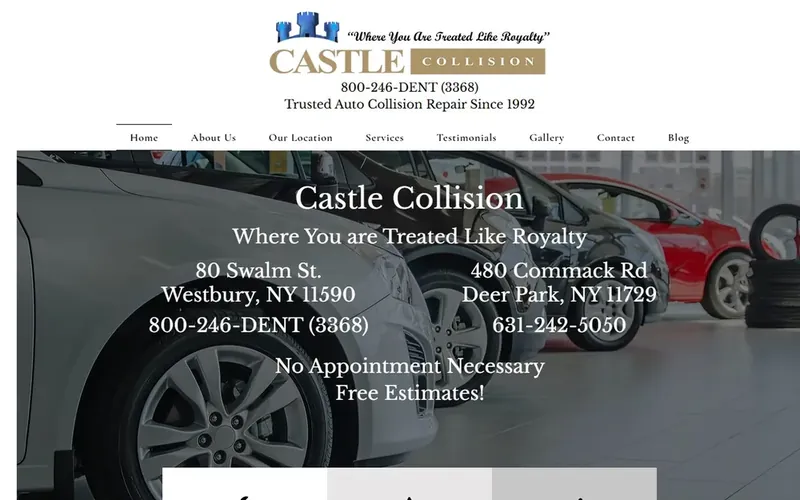
Castle Collision

All Care Driving School
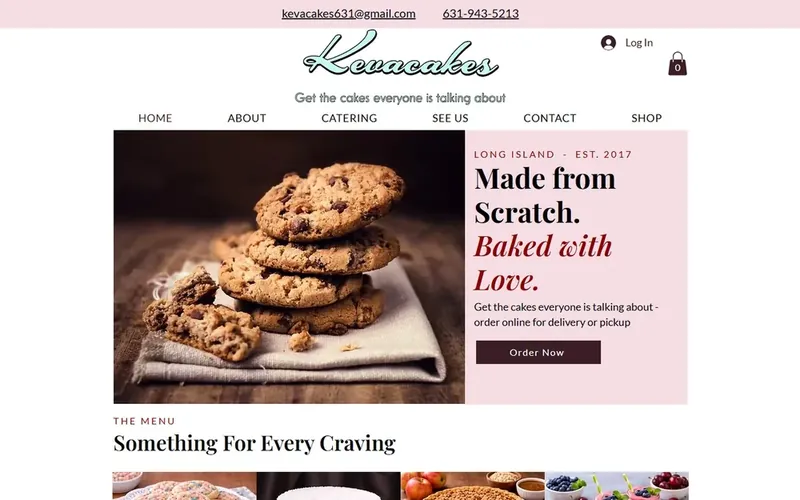
Kevacakes
Questions
Straight answers before the first call.
Why does a local business need an SEO-friendly website?
Because being online and being findable are two different things. A website that is not structured correctly for search can exist for years without appearing in the results that matter. SEO structure built into the site from the start, clear service pages, proper metadata, fast load times, and mobile usability, gives Google what it needs to understand what the business does and where it operates. Without that, even a well-designed site has a limited search footprint.
What platforms does Boxer Media build on?
Sites are built hand-coded from scratch, on Wix, or on Squarespace, and the recommendation comes out of a conversation about who maintains the site and what it has to do. There are also existing client sites on Square (formerly Weebly) and Shopify. Boxer Media holds Legend Partner status with Wix, the highest tier in their four-level partner program, which means priority access to platform and technical support. Wix suits a business that wants to make its own day-to-day edits; a hand-coded build suits one where performance, design control, and a lean technical stack matter most.
How long does a website take to build?
Most projects run three to six weeks from kickoff to launch, depending on the size of the site and how quickly content and feedback come back from the client. Larger or more complex sites may take longer. The timeline is discussed at the start of every project so there are no surprises.
Can Boxer Media redesign an existing website?
Yes. Redesigns are a significant part of the work I do. The process is the same whether starting from scratch or rebuilding an existing site: review what is there, identify what is working and what is not, and build something that performs better.
Do I need ongoing SEO after launch?
The technical SEO structure built into the site at launch is a foundation, not a finish line. A static site can only show up for the searches it was already ranking for on day one. Ongoing content, fresh blog articles, social activity, and regular updates give search engines more reasons to surface the site over time. Most Boxer Media clients stay on for ongoing work after launch because that is where the compounding visibility gains come from.
Can you explain what responsive website design is?
Responsive website design is an approach to web design aimed at crafting sites to provide an optimal viewing experience across a wide range of devices, from desktop computers to mobile phones. A responsive design ensures that your website adjusts its layout, images, and content to fit the screen size and resolution of the device being used to view it. This adaptability improves usability, making it easier for visitors to navigate, read, and interact with your website regardless of the device.
What are the key components of a successful website?
The key components of a successful website include:
- User-friendly design: Easy navigation and a clean, appealing aesthetic that aligns with your brand.
- Quality content: Informative, engaging, and regularly updated content that provides value to your audience.
- Mobile responsiveness: A design that looks and functions well on mobile devices.
- Fast loading times: Optimized images and code to ensure your site loads quickly.
- Search Engine Optimization (SEO): Strategies that improve your site’s visibility in search engine results.
- Clear calls to action (CTAs): Prompts that encourage visitors to take specific actions, such as contacting you or making a purchase.
- Security: Measures to protect your site and visitors’ information, including SSL certificates.
- Contact information: Easy-to-find contact details or forms that encourage visitor inquiries.
How often should I update my website's content?
Updating your website’s content should be a regular activity to keep your site relevant, engaging, and SEO-friendly. The frequency can depend on the type of business and content. For example, a blog might see weekly updates, while a corporate site might update its blog or news section monthly. Key pages like Home, About, and Services should be reviewed every 6 to 12 months to ensure the information is accurate and reflective of your current offerings and brand message.
What is Search Engine Optimization (SEO) and why is it important?
Search Engine Optimization (SEO) is the practice of increasing the quantity and quality of traffic to your website through organic search engine results. It involves optimizing your website’s content, structure, and on-page elements like titles, meta descriptions, and keywords. SEO is crucial because it makes your website more visible, meaning more traffic and opportunities to convert prospects into customers. It’s also a valuable tool for brand awareness, building relationships with prospects, and positioning yourself as an authoritative and trustworthy expert in your field.
How can I make my website more accessible to individuals with disabilities?
Making your website accessible to individuals with disabilities involves several key practices:
- Use Alt Text for Images: Provide alternative text for images so screen readers can describe them to visually impaired users.
- Ensure Keyboard Navigation: Ensure users can navigate your website using a keyboard alone, which is crucial for those who cannot use a mouse.
- Create Content with Accessible Fonts and Colors: Use legible fonts and sufficient contrast between text and background colors to aid those with visual impairments.
- Include Transcripts and Captions: Offer transcripts for audio content and captions for video, which help users who are deaf or hard of hearing.
- Use ARIA (Accessible Rich Internet Applications) Landmarks: Help screen readers understand and navigate page layouts and elements.
- Conduct Accessibility Audits: Tools like the Web Accessibility Evaluation Tool (WAVE) can help identify and fix accessibility issues on your website.
What are the benefits of having a custom website design versus using a template?
Custom website design offers several benefits over using templates:
- Unique Design: A custom design ensures your website stands out with a unique look that reflects your brand’s identity, setting you apart from competitors.
- Tailored Functionality: Custom websites can be built to include specific features and functionalities tailored to your business needs, unlike templates which may be limiting.
- Scalability: A custom website can grow with your business, allowing for easier updates and additions as your needs evolve.
- Optimized Performance: Custom sites can be optimized for speed and efficiency, providing a better user experience and potentially improving SEO rankings.
- Professional Support: Working with the person who built the site means expert advice and ongoing support from someone who knows every line of it.
Can you explain the difference between a domain name and web hosting?
- Domain Name: This is the address of your website that users type into the browser’s URL bar to visit your site (e.g., www.example.com). It’s a human-readable address that directs users to the IP address of your website.
- Web Hosting: This is a service that provides the technology and server space necessary for your website to be accessed on the Internet. It’s where your website’s files are stored and served to users when they access your domain name.
What is website maintenance, and why is it necessary?
Website maintenance refers to the tasks required to keep your website updated, secure, and functioning correctly. This includes updating content, ensuring links work, keeping the platform up to date, backing up data, and monitoring website performance and security. It’s necessary because:
- Security: Regular updates and maintenance help protect your site from vulnerabilities and cyber threats.
- User Experience: Maintaining your website ensures that it remains fast, functional, and easy to navigate, providing a good user experience.
- SEO Rankings: Search engines favor websites that are regularly updated with fresh content and have fast load times and no broken links.
- Data Protection: Regular backups ensure that, in the case of data loss or a security breach, your website can be restored.
What is the role of social media integration on my website?
Social media integration on your website plays a crucial role in extending your brand’s reach and engagement with your audience. It involves linking your social media profiles with your website and may include features like social share and follow buttons, embedding your social media posts directly on your website, or using social login options. This integration helps to:
- Increase your content’s visibility and shareability by making it easy for visitors to share your content on their social media profiles.
- Enhance user engagement by allowing visitors to interact with your social media content directly from your website.
- Boost your social media followers by providing direct links to your social profiles.
- Keep the two consistent so a prospect who looks you up after a referral finds the same business on your site and on your profiles.
What are the advantages of having a blog on my website?
Having a blog on your website offers multiple advantages:
- Boosts SEO: Regularly updated blog content can significantly improve your website’s SEO, helping to attract more organic search traffic.
- Establishes Authority: Publishing informative and expert content can help establish your brand as an authority in your industry.
- Increases Engagement: A blog can encourage more visitor interaction, through comments and shares, which can lead to stronger customer relationships.
- Supports Content Marketing: Your blog articles can be a cornerstone of your content marketing strategy, providing valuable content to share on social media and email newsletters.
- Enhances Customer Education: Blogs allow you to share detailed information about your products or services, helping to educate potential and current customers.
How can I track the performance of my website?
Tracking the performance of your website can be effectively done using tools like Google Analytics and Google Search Console. These tools allow you to monitor various metrics that reflect your website’s performance, including:
- Visitor behavior: Understand how users interact with your site, including the pages they visit, the duration of their visit, and the actions they take.
- Traffic sources: Identify where your visitors are coming from, whether it be from search engines, social media, direct visits, or referral sites.
- Conversion rates: Track how well your site achieves its goals, such as sales, sign-ups, or other desired actions by visitors.
- Keyword performance: See which keywords are driving traffic to your site, helping to inform your content and SEO strategy.
- Site speed and technical issues: Identify any technical problems or areas for improvement in your site’s performance.
What strategies can I use to increase traffic to my website?
Traffic comes from a few things working together, and for a local business they tend to matter in this order:
- Search structure: pages built around what people actually search for, with the markup and internal linking that let search engines index them properly.
- Your Google Business Profile: for most local businesses this drives more calls than the website alone, and it works best when the information on it matches the site exactly.
- Published writing: articles that answer real questions give the site more ground to rank on, and give you something worth sharing and linking to.
- Social presence: regular posts keep you in front of people between visits and send them back to the site.
Paid search adds targeted traffic right away while the organic work builds. I set up and manage Google Ads campaigns for clients who want it, with each ad leading to a page built to turn that visit into a call or an inquiry.
Next step
If your website is holding you back, let's talk.
I will look at what you have and give you a clear picture of what it would take to improve it.